

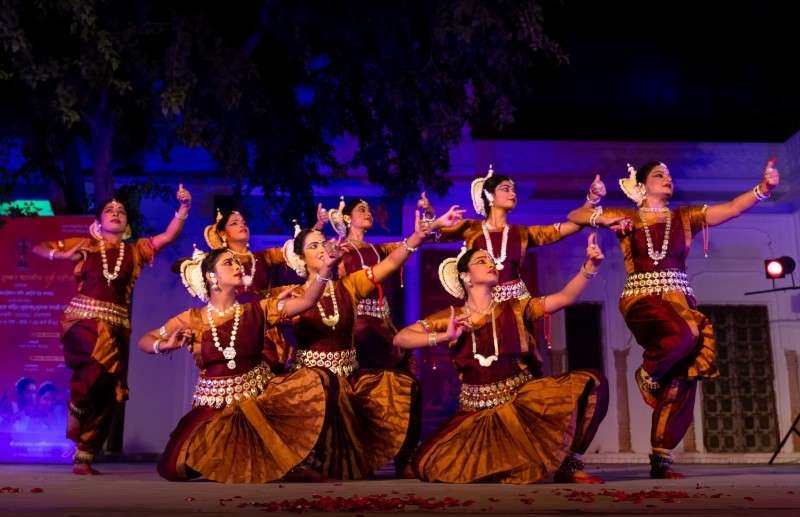
Ask ten people in India about dance and you’ll get ten different answers. One person will talk about temple performances and hand gestures that feel like a language. Another will talk about wedding nights where everyone ends up dancing, even the uncle who swears he “doesn’t dance.” Someone else will bring up drums, harvest festivals, and the kind of energy that makes feet move on their own.
That’s the best way to approach dance forms of India. Not as a dry list. As a living culture. Dance here isn’t only entertainment. It’s storytelling, devotion, celebration, identity, and sometimes a full-body workout that leaves performers drenched.
This guide keeps it easy to follow. A little history. The main classical styles. The big folk dances. And a state-wise view that helps everything click.
India’s dance diversity comes from distance and difference. Mountains, coastlines, deserts, forests, and plains shaped local life. Languages changed every few hundred kilometers. So did music, clothing, rituals, and festivals. Dance grew inside those local realities.
Two helpful buckets:
Both are important. Folk forms keep community rhythm alive. Classical forms preserve refined technique built over generations.
The History of Indian Dance is deeply connected to storytelling. Many early performances weren’t built around “showing off.” They were built around communicating stories and emotions.
That’s why Indian dance often includes:
In older traditions, dancers didn’t just perform. They narrated. Sometimes without speaking a word.
Over time, dance moved through different spaces: temples, royal courts, village gatherings, theaters, and now big stages and screens. The setting shifted, but the core idea stayed: movement can carry meaning.
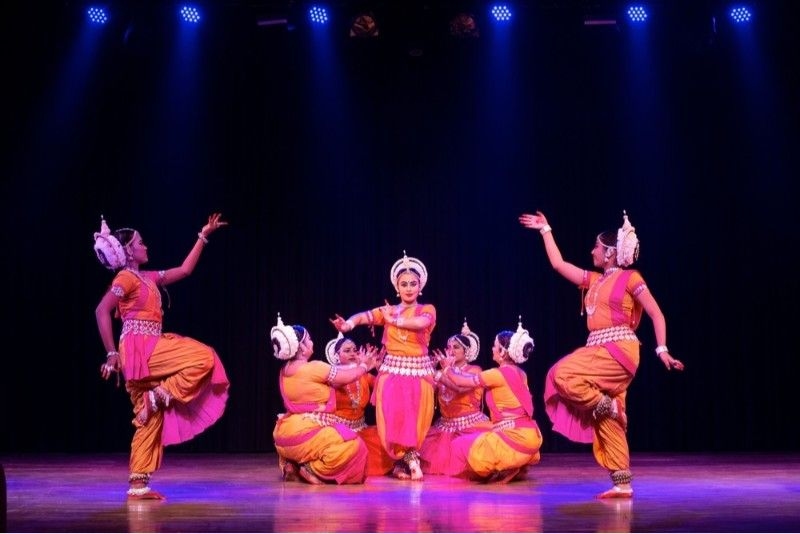
Many of the famous indian dances people recognize worldwide come from classical traditions. These styles have strong technique, recognizable costumes, and long training paths.
This style is known for strong posture and clear lines. It often feels geometric and powerful.
What Stands Out:
Kathak is famous for fast spins and footwork that sounds like percussion.
What Stands Out:
Odissi often looks like sculpture in motion. It’s graceful but controlled.
What Stands Out:
Kathakali is dramatic and bold. The makeup, costume, and facial control are intense.
What Stands Out:
Kuchipudi is lively and expressive, sometimes playful, and often theatrical.
What Stands Out:
Manipuri is gentle and flowing, often devotional in mood.
What Stands Out:
Mohiniyattam is elegant and calm, with swaying movement.
What Stands Out:
These classical styles are often what people think of first, but India’s dance world is much wider than the classical stage.
People often search for Different dance forms of India with states because it helps everything stay organized. Here’s a clear, usable map-style view.
North India
West India
South India
East And Northeast
This list isn’t every single dance, because India has too many for one article. But it covers the major ones people usually want to know first.
Check Out: Importance of Dance in Health, Culture, and Growth
Folk dance is where India often feels most alive. These dances aren’t always meant for silent audiences sitting in neat rows. They happen during festivals, weddings, harvest seasons, and community events.
Some popular folk forms:
Folk dances are usually the easiest to “feel.” Even travelers who don’t know the steps can recognize the mood: celebration, community, and pride.
In Indian dance, costumes aren’t decoration. They’re part of the storytelling and identity.
What varies by region:
Even without knowing the dance name, a viewer can often guess the region by sound and costume.
Here’s a cool detail people notice quickly: Indian dance often “speaks.” It uses movement, gestures, and expression like a language.
A dancer might show:
That’s why audiences react even when they don’t understand the lyrics or the backstory. The communication is physical.
The second mention of History of Indian Dance matters because these traditions aren’t stuck in the past. They keep evolving.
Modern changes include:
Even Indian cinema has influenced how people connect to dance, without replacing the older forms.
The second mention of famous indian dances fits here because global visibility often comes from strong visual identity. Bharatanatyam’s posture, Kathak’s spins, Kathakali’s makeup, Odissi’s sculptural poses, and Bhangra’s energy. These elements make the dances instantly recognizable.
But the lesser-known regional forms are equally meaningful. They just don’t have the same spotlight. Yet.
The second mention of Different dance forms of India with states can be simplified by linking each region to a feeling.
Memory Shortcuts:
This sticks better than memorizing a list.
Read More: Street Dance Styles Guide to Urban Movement and Groove
The second mention of dance forms of India belongs here because the biggest takeaway is respect. These dances are beautiful, but they’re also disciplined. Timing, stamina, expression control, and technique all matter.
Even learning a few basic steps teaches:
And that’s the point. Indian dance isn’t only something to watch. It’s something that carries history, identity, and community in motion.
India has several major classical styles, including Bharatanatyam, Kathak, Odissi, Kuchipudi, Kathakali, Manipuri, Mohiniyattam, and others taught through formal traditions.
Classical dance is structured with formal technique and long training systems, while folk dance is community-based and tied to local festivals, seasons, and celebrations.
Bharatanatyam and Kathak are common beginner choices due to wide availability of schools, but the best choice depends on personal interest and local access.
This content was created by AI